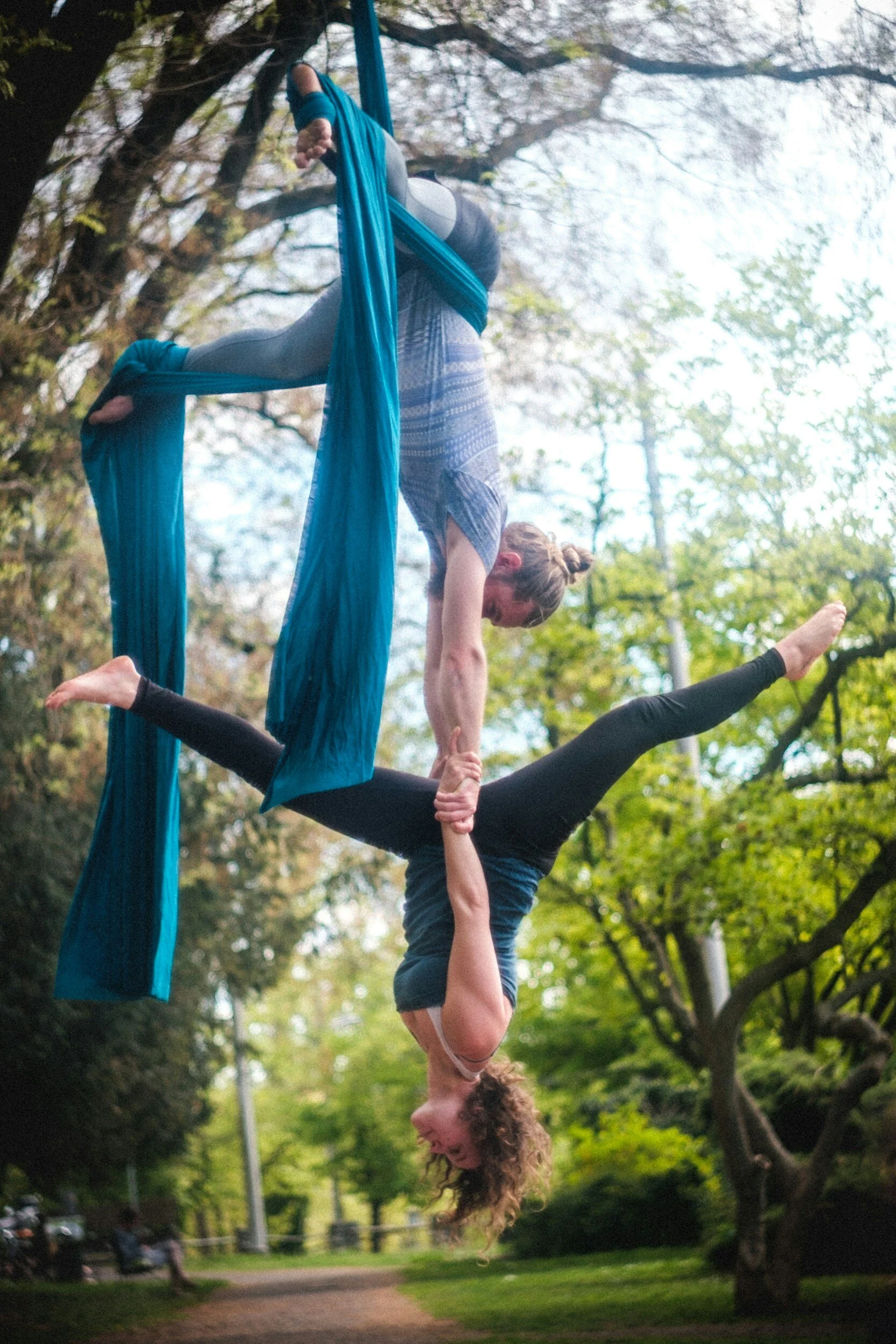
Soaring to New Heights: The Importance of Cross Training for Aerial Fitness
Aerial fitness, with its breathtaking displays of strength, grace, and agility, captivates enthusiasts with its unique blend of artistry and athleticism. However, the demands of aerial disciplines such as aerial silks, hoop, and trapeze can place significant strain on the body, increasing the risk of overuse injuries and muscular imbalances. In this blog post, we'll explore the importance of cross training for aerial fitness practitioners and how diversifying your training regimen can enhance performance, prevent injuries, and promote long-term success in the aerial arts.
Diversifying Movement Patterns:
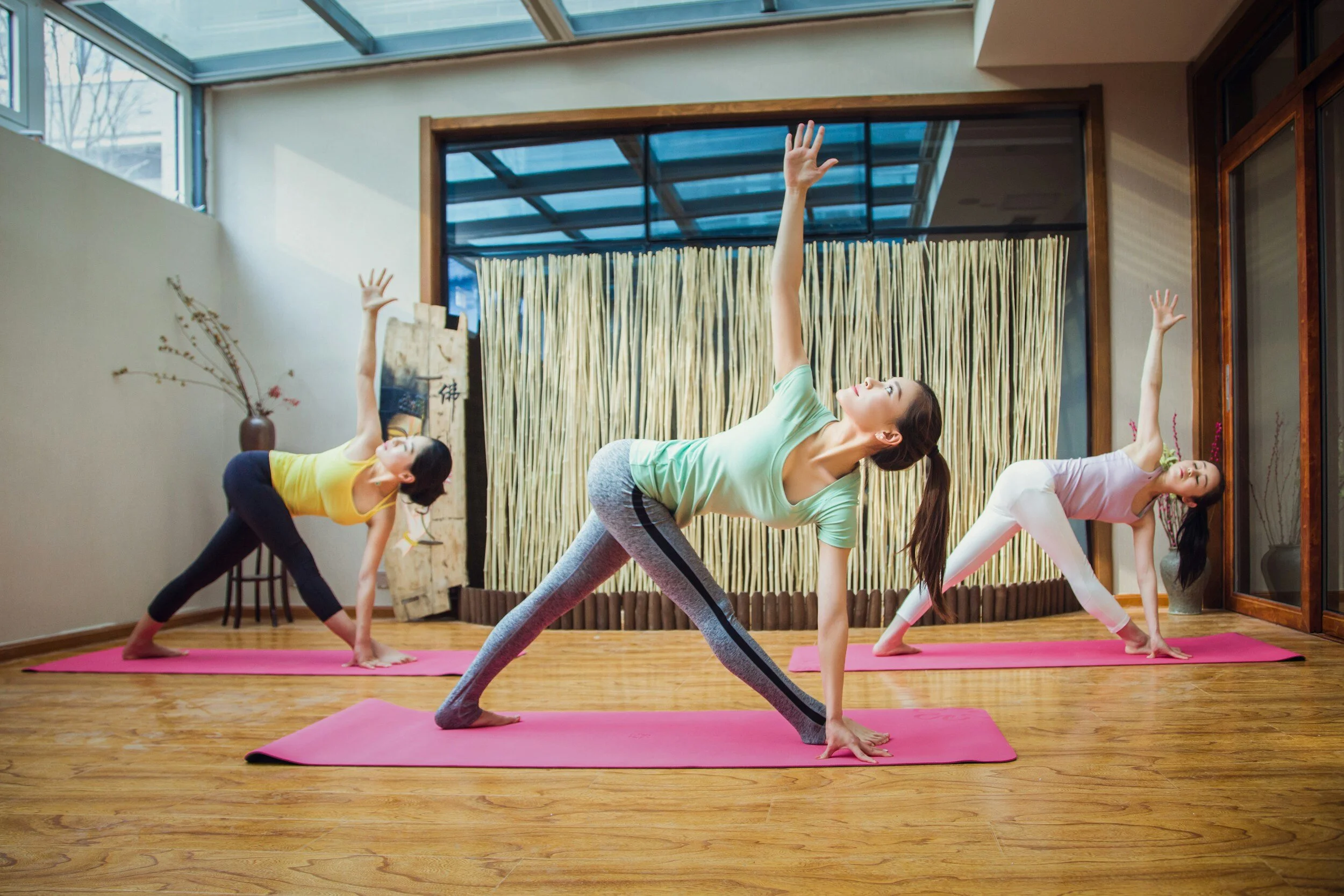
Aerial fitness requires a combination of strength, flexibility, coordination, and spatial awareness to execute intricate maneuvers and transitions gracefully. While aerial training builds specific skills and strengths, it can also lead to repetitive stress on certain muscle groups and joints. Cross training introduces variability in movement patterns, targeting different muscle groups and movement planes that may be neglected in aerial practice. Activities such as Pilates, yoga, dance, and calisthenics complement aerial training by promoting mobility, stability, and alignment, enhancing overall movement quality and efficiency.
Addressing Muscular Imbalances:
The nature of aerial movements often emphasizes upper body strength and shoulder stability while placing less emphasis on lower body strength and core stability. Over time, this imbalance can lead to overuse injuries, postural deviations, and decreased performance. Cross training allows aerialists to address muscular imbalances by incorporating exercises that target neglected areas such as the lower body, core, and stabilising muscles. Strength training, functional movement exercises, and bodyweight workouts help build a strong foundation, improve body awareness, and reduce the risk of injury in aerial practice.
Enhancing Recovery and Resilience:
The physical demands of aerial training can take a toll on the body, leading to fatigue, soreness, and decreased performance over time. Cross training plays a vital role in promoting recovery, reducing the risk of overtraining, and enhancing overall resilience in aerialists. Low-impact activities such as swimming, cycling, or gentle yoga provide opportunities for active recovery, promoting blood flow, mobility, and relaxation. Additionally, cross training allows aerialists to continue training while giving specific muscle groups and joints a break from the demands of aerial practice, preventing burnout and promoting longevity in the sport.

Cultivating Creativity and Versatility:
Cross training fosters creativity and versatility in aerialists by exposing them to a diverse range of movement modalities and disciplines. Exploring different forms of movement, such as martial arts, gymnastics, or acrobatics, can inspire new ideas, sequences, and choreographic elements in aerial routines. By stepping outside of their comfort zone and embracing new challenges, aerialists expand their movement repertoire, refine their skills, and cultivate a dynamic and expressive approach to aerial performance.
Cross training is a valuable tool for aerial fitness practitioners seeking to enhance their performance, prevent injuries, and cultivate a balanced and sustainable approach to training. By diversifying movement patterns, addressing muscular imbalances, promoting recovery, and fostering creativity, aerialists can unlock their full potential and soar to new heights in the aerial arts. Whether you're a beginner or seasoned aerialist, incorporating cross training into your practice can elevate your skills, expand your repertoire, and enrich your journey in the aerial community.
Needling Pain Away: The Power of Dry Needling in Rehabilitation
In the realm of rehabilitation, various techniques are employed to alleviate pain, restore function, and promote healing. One such technique gaining popularity is dry needling. Often confused with acupuncture, dry needling is a distinct therapeutic approach that targets trigger points in muscles to relieve pain and improve musculoskeletal function. In this blog post, we'll delve into what dry needling is, how it differs from acupuncture, and how it can be a valuable tool in rehabilitation.
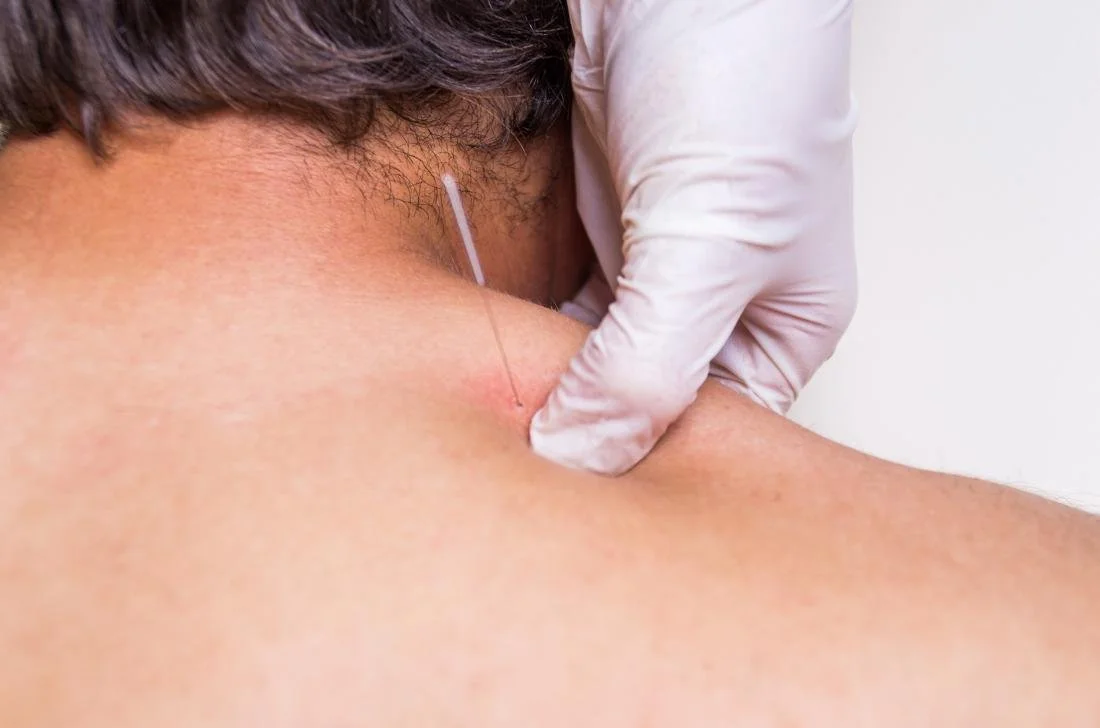
Dry needling is a therapeutic technique that involves the insertion of thin needles into specific points in muscles, tendons, ligaments, or fascia, known as trigger points or myofascial trigger points. These trigger points are areas of hyperirritability within the muscle tissue, often associated with muscle tightness, tension, and pain. By targeting these trigger points with needles, dry needling aims to stimulate a healing response, alleviate pain, and restore normal muscle function.

Difference Between Dry Needling and Acupuncture:
While both dry needling and acupuncture involve the use of needles, they are based on different principles and have distinct therapeutic goals:
Dry needling is a Western-based technique rooted in neuroanatomy and musculoskeletal physiology. It targets specific trigger points in muscles to alleviate pain and dysfunction.
Acupuncture, on the other hand, is a traditional Chinese medicine practice that aims to restore the flow of qi (energy) along meridian pathways in the body. Acupuncture points may or may not correspond to trigger points targeted in dry needling.
Benefits of Dry Needling in Rehabilitation:
Dry needling can offer numerous benefits in the rehabilitation setting, including:
Pain Relief: Dry needling can help reduce pain associated with musculoskeletal conditions such as muscle strains, tendonitis, and myofascial pain syndrome.
Improved Range of Motion: By releasing tension in muscles and restoring normal muscle function, dry needling can help improve flexibility and range of motion in joints.
Trigger Point Release: The insertion of needles into trigger points causes a localised twitch response in the muscle fibers, which helps release tension and reset muscle tone.
Improved Blood Flow: Needle insertion stimulates local blood flow to the area to promoting tissue healing.
Complementary Treatment: Dry needling can be used in conjunction with other rehabilitation techniques such as manual therapy, exercise therapy, and modalities to optimise outcomes and facilitate recovery.
Dry needling is a valuable therapeutic technique that can play a significant role in rehabilitation by relieving pain, improving function, and promoting healing. Whether used as a standalone treatment or as part of a comprehensive rehabilitation program, dry needling offers a safe and effective approach to addressing musculoskeletal conditions and optimising patient outcomes. If you're considering dry needling as part of your rehabilitation journey, be sure to consult with a qualified healthcare provider who can assess your needs and develop a personalised treatment plan tailored to your goals, as not everyone is suitable for dry needling.