
Maximising Performance and Minimising Risks: The Importance of Injury Prevention with Physiotherapy in Sports
In the world of sports, achieving peak performance is the ultimate goal for athletes and teams alike. However, the journey to success is often fraught with challenges, including the risk of injuries that can sideline athletes and derail their progress.

Understanding the Importance of Injury Prevention
Injuries are an inherent risk in sports, ranging from minor sprains and strains to more severe fractures and ligament tears. Not only can injuries cause immediate pain and discomfort, but they can also lead to long-term consequences, including chronic pain, reduced mobility, and decreased athletic performance. Moreover, injuries often result in significant downtime for athletes, impacting training schedules, competition participation, and overall career trajectory.
The Role of Physiotherapy in Injury Prevention
Physiotherapy plays a vital role in mitigating the risk of sports injuries through proactive assessment, personalised interventions, and education. Here's how physiotherapy contributes to injury prevention in sports:
Preventive Screening and Assessment: Physiotherapists conduct comprehensive assessments to identify potential risk factors for injuries, including biomechanical imbalances, muscle weaknesses, and movement dysfunctions. By pinpointing areas of vulnerability, physiotherapists can develop tailored injury prevention strategies to address these issues before they escalate into injuries.
Strength and Conditioning Programs: Physiotherapists design individualised strength and conditioning programs to enhance athletes' physical fitness, improve muscle strength and endurance, and optimise neuromuscular control. By incorporating exercises targeting specific muscle groups and movement patterns, these programs help athletes build resilience and reduce the likelihood of injuries.
Flexibility and Mobility Training: Maintaining optimal flexibility and joint mobility is crucial for preventing muscle strains, ligament sprains, and other soft tissue injuries. Physiotherapists prescribe targeted stretching and mobility exercises to improve tissue flexibility, reduce muscle tightness, and enhance range of motion, thereby reducing the risk of injury during sports activities.
Technique Correction and Movement Analysis: Proper technique and biomechanics are essential for minimising stress on the body and preventing injuries. Physiotherapists utilise video analysis and movement assessments to identify faulty movement patterns and provide feedback and corrections to athletes. By optimising movement mechanics, athletes can reduce the risk of overuse injuries and improve performance efficiency.
Injury Prevention Education: Educating athletes about injury prevention strategies, warm-up and cool-down routines, proper equipment usage, and recovery techniques empowers them to take proactive steps to safeguard their health and well-being. Physiotherapists provide valuable guidance on injury prevention best practices, helping athletes make informed decisions to minimise injury risks.

Injury prevention is paramount in sports, not only for maintaining athletes' health and well-being but also for optimising performance and longevity in their careers. Physiotherapy plays a central role in injury prevention by identifying risk factors, implementing preventive interventions, and educating athletes about best practices. By incorporating physiotherapy into their training regimens, athletes can reduce the likelihood of injuries, stay on the path to success, and continue to excel in their chosen sports for years to come.
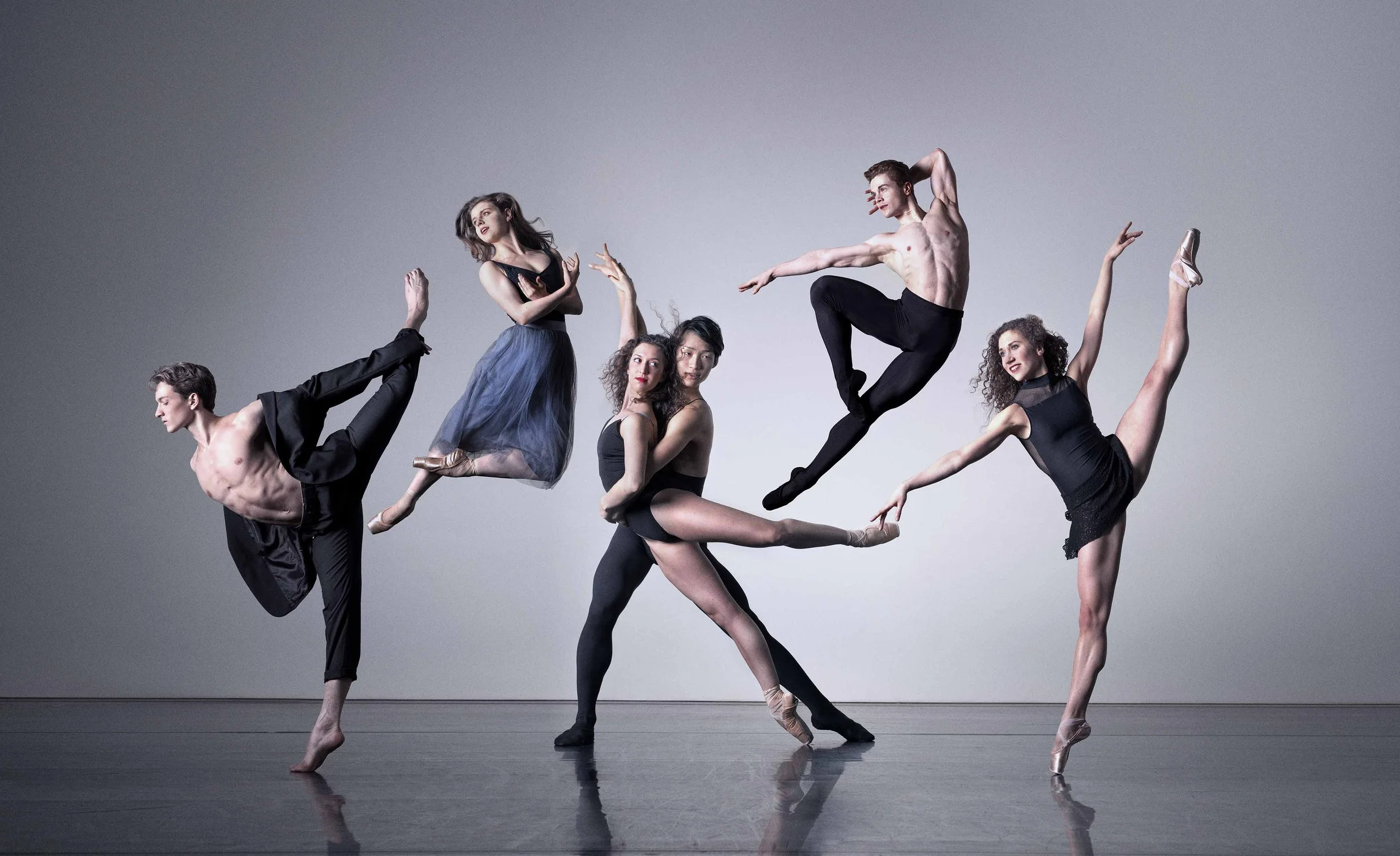
Grace Under Pressure: Understanding and Preventing Hip Injuries in Dancers
Dance is a captivating art form that demands precision, fluidity, and strength, often pushing the boundaries of physical limits. Amidst the beauty of movement, dancers face unique challenges, including the risk of hip injuries. These injuries can sideline performers, hinder artistic expression, and jeopardise long-term careers. In this blog post, we'll explore common hip injuries in dancers, their causes, and practical strategies for prevention.

The Complexity of Hip Injuries in Dancers
The hip joint is a marvel of biomechanics engineering, allowing for a wide range of motion while supporting the body's weight during dynamic movements. However, the demands placed on the hip joint in dance can lead to a variety of injuries, including:
Hip Flexor Strains: Dancers frequently engage their hip flexor muscles to lift their legs and execute high kicks and extensions. Overuse or sudden movements can strain these muscles, leading to pain and limited mobility.
Labral Tears: The acetabular labrum, a ring of cartilage that lines the hip socket, provides stability and cushioning to the joint. Repetitive movements or trauma can cause tears in the labrum, resulting in hip pain, clicking sensations, and feelings of instability.
Snapping Hip Syndrome: This condition occurs when tendons or muscles rub over bony structures in the hip joint, causing audible snapping or popping sensations. Dancers, particularly those who perform repetitive hip movements, are prone to developing snapping hip syndrome.
Hip Impingement (Femoroacetabular Impingement): In dancers, the repetitive motions of dance can lead to abnormal bone growth or alterations in hip joint anatomy, resulting in impingement of the hip structures during movement. This can cause pain, stiffness, and decreased range of motion.

Preventive Strategies for Dancers
Preventing hip injuries requires a multifaceted approach that addresses biomechanical factors, technique, and conditioning. Here are some key strategies for dancers to reduce their risk of hip injuries:
Proper Warm-Up: Begin each dance session with a thorough warm-up routine that includes dynamic stretches, mobility exercises, and targeted movements to prepare the hip joints and surrounding muscles for activity.
Technique Correction: Work with a dance instructor or physiotherapist to ensure proper technique and alignment during movements.
Cross-Training: Incorporate cross-training activities such as strength training, Pilates, and yoga into your routine to improve muscular balance, stability, and flexibility in the hips and surrounding muscles.
Gradual Progression: Gradually increase the intensity, duration, and complexity of dance routines to allow the body to adapt to the demands placed on it. Avoid sudden spikes in training volume or intensity, which can increase the risk of overuse injuries.
Rest and Recovery: Listen to your body and prioritise rest and recovery to allow for tissue repair and adaptation. Incorporate rest days into your training schedule and use techniques such as foam rolling, stretching, and massage to alleviate muscle tension and promote recovery.
Proper Nutrition and Hydration: Fuel your body with a balanced diet rich in nutrients to support muscle health, bone strength, and overall well-being. Stay hydrated before, during, and after dance sessions to optimise performance and reduce the risk of cramps and muscle fatigue.
While hip injuries are a common concern for dancers, they are not inevitable. By understanding the factors that contribute to hip injuries and implementing preventive strategies, dancers can safeguard their hip health and continue to pursue their passion with confidence and grace. Remember, prioritising proper warm-up, technique, conditioning, and rest is essential for maintaining the strength, flexibility, and resilience of the hip joints, allowing dancers to thrive both on and off the stage. So, for dancers facing the challenges of hip injuries, with physiotherapy, the dance of healing begins, leading to a future filled with strength, vitality, and endless possibilities.